 Colorado Springs Premier Water Damage Restoration
Water Damage Restoration Colorado Springs Colorado
When water damage strikes your Colorado Springs home or business, every hour counts. Our IICRC-certified team provides water damage restoration in Colorado Springs, Colorado — from emergency water extraction and structural drying to mold remediation and sewage cleanup. Call us day or night: (719) 249-1109
Call Now — 24/7 Emergency ResponseGet a Free Quote
Water Damage Restoration Services in Colorado Springs, Colorado
Water damage in a Colorado Springs home can escalate fast. A burst pipe left unaddressed for 24 hours can create conditions for mold growth. Flash flooding through Fountain Creek corridors in summer, frozen pipe bursts in January, and hail-damaged roofs silently admitting moisture — our team handles all of it. We provide complete water damage repair in Colorado Springs and the surrounding Pikes Peak region: emergency water removal, structural drying, mold remediation, fire and smoke damage restoration, and sewage cleanup under one roof. All work is performed by IICRC-certified technicians. Call (719) 249-1109 or use the estimate form above to start.
Emergency Water Removal Colorado Springs
When water is standing in your basement or spreading across flooring, the job is extraction first. Our team arrives equipped with truck-mounted extractors capable of removing hundreds of gallons of water per hour. 24/7 emergency response throughout Colorado Springs and El Paso County.
Learn More About Emergency Water Removal →
Structural Drying Colorado Springs
Extraction removes standing water. Structural drying removes the moisture absorbed into building materials — drywall, framing, subfloors, insulation — before that moisture becomes a mold problem. Our IICRC ASD-certified technicians monitor daily with calibrated moisture meters. Most jobs complete in 3–5 days.
Learn More About Structural Drying →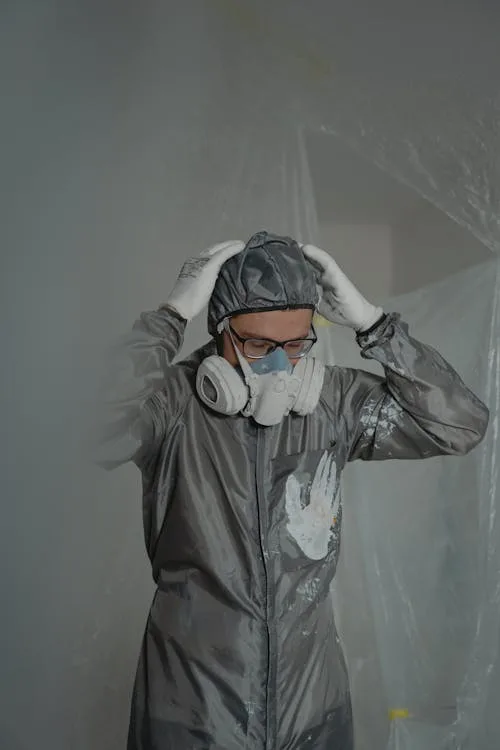
Mold Remediation Colorado Springs
Colorado Springs homeowners face a specific mold risk from hail damage — one of the most hail-prone cities in the US. Our IICRC AMRT-certified technicians handle the full range: black mold removal, attic mold from roof intrusion, crawl space mold, and basement mold from flooding. IICRC S520 protocol with clearance testing.
Learn More About Mold Remediation →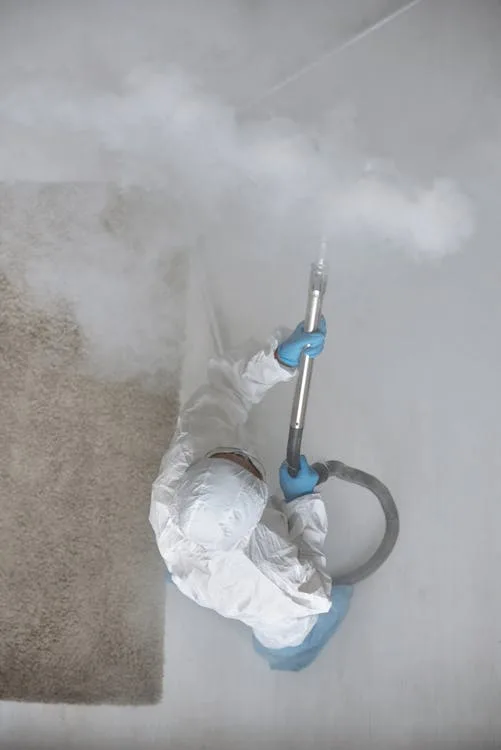
Sewage Cleanup Colorado Springs
Sewage backup is a Category 3 biohazard event containing pathogens that pose direct health risks. Our team responds 24/7 with full PPE, containment barriers, EPA-approved antimicrobial agents, and hydroxyl or ozone deodorization. This is not a DIY job — call us immediately.
Learn More About Sewage Cleanup →
Fire & Smoke Damage Restoration Colorado Springs
Colorado Springs sits in one of the most fire-prone wildland-urban interfaces in the US — Waldo Canyon and Black Forest are reminders of the region's risk. Whether damage is from a structure fire or wildfire ember intrusion, soot and smoke require specialized restoration: dry and wet soot removal, thermal fogging, hydroxyl treatment for smoke odor, and structural deodorization. Fire suppression water also requires the same extraction and drying as any flood event.
Learn More About Fire & Smoke Damage →Our Water Damage Restoration Process
-
Emergency Response (24/7)
You call; we answer. We dispatch a team immediately regardless of time of day. For true emergencies — water actively entering the structure or Category 3 contamination — response time is prioritized.
-
On-Site Assessment
Our technicians perform a complete damage assessment: moisture mapping with thermal imaging cameras, Category (1/2/3) and Class (1–4) determination per IICRC standards, documentation for your insurance claim.
-
Water Extraction
Truck-mounted or portable extractors remove standing water. We extract from flooring, subfloors, and wall cavities as needed.
-
Structural Drying
LGR dehumidifiers and axial air movers are staged to achieve psychrometric drying goals. Daily moisture readings track progress. Equipment is typically in place for 3–5 days.
-
Antimicrobial Treatment
After drying, affected surfaces receive antimicrobial treatment to reduce the risk of mold growth.
-
Restore to Pre-Loss Condition
We repair and restore — drywall, flooring, trim — to return the property to its condition before the water event. We provide insurance documentation throughout.
Why Colorado Springs Trusts Our Restoration Team
What Colorado Springs Homeowners Say
“Called at 2am after a pipe burst in my basement. Had a team on-site within the hour. They mapped the moisture spread with thermal equipment I'd never seen before — turns out water had wicked up two walls we hadn’t noticed. Professional from first call to final moisture check. Would not hesitate to call again.”— James K., Colorado Springs, CO
“Mold was discovered behind our bathroom drywall after a slow leak we hadn’t caught for months. The remediation team was thorough, explained every step — containment setup, HEPA air scrubbers, the clearance test at the end. Clean bill of health. They also referred me to a plumber who fixed the source leak the same week.”— Maria T., Fountain, CO
“Sewage backup in our laundry room — absolutely awful situation. These guys suited up, contained it completely, cleaned it down to bare concrete, deodorized, and dried everything out. You’d never know it happened. I appreciated that they walked me through the insurance documentation process too.”— Dave P., Manitou Springs, CO
Colorado Springs and Surrounding Areas We Serve
We provide water damage restoration services throughout Colorado Springs and the surrounding Pikes Peak region. Whether you’re in Fountain, Manitou Springs, Black Forest, or Pueblo, our team covers the greater El Paso County area with same-day response for most emergencies.
El Paso County
Colorado Springs · Fountain · Manitou Springs · Security-Widefield · Peyton · Falcon · Black Forest · Palmer Lake · Monument · Cimarron Hills · Widefield · Stratmoor
Teller County
Woodland Park · Divide · Cripple Creek
Fremont County
Cañon City · Florence
Douglas County
Castle Rock · Larkspur
Pueblo County
Get a Free Water Damage Quote in Colorado Springs
Don’t wait on water damage. Every hour of standing water increases structural saturation and the risk of mold growth. Call our Colorado Springs team at (719) 249-1109 for a free on-site estimate — available 24/7 for emergencies.
- No charge for assessment
- IICRC-certified technicians
- Insurance documentation provided
- Same-day response for most emergencies
Frequently Asked Questions — Water Damage Restoration Colorado Springs
-
Most standard homeowners insurance covers sudden and accidental water damage — a burst pipe, appliance failure, or storm-driven roof leak. Gradual leaks discovered late and ground flooding typically require separate coverage. Document thoroughly before cleanup begins and contact your insurer immediately. We can assist with documentation as part of the restoration process.
-
Most residential jobs in Colorado Springs take 3–7 days from first extraction through completed structural drying. Extraction typically completes in a few hours. Structural drying runs 3–5 days with daily moisture readings. If mold remediation is also required, add 2–5 days depending on scope. Colorado Springs’ semi-arid climate can support faster drying than humid-climate markets once professional equipment is in place.
-
For Category 1 events (clean water — burst pipe, appliance overflow), most homeowners can remain home safely. If sewage or black water (Category 3) is involved, or if more than one room is significantly affected, temporary relocation is strongly recommended. We’ll advise you directly based on the on-site assessment.
-
Mold can begin colonizing within 24–48 hours of water exposure. At 72 hours, active growth in wall cavities and under flooring is likely. Colorado Springs’ freeze-thaw cycles and hail-damaged roofs can create hidden moisture pockets that accelerate this timeline in areas not visible during a standard walk-through. Immediate extraction and drying significantly reduces the risk.
-
Water mitigation stops the damage from spreading — extraction, containment, and drying. Restoration returns the property to pre-loss condition — structural repairs, drywall replacement, flooring. We provide both services, which means you work with one contractor from emergency call through final rebuild.
-
Common signs include musty odors (often indicating mold in wall cavities), soft or discolored drywall or ceilings, buckling flooring, and an unexplained rise in your water bill. Thermal imaging cameras detect moisture pockets invisible to the eye. If you suspect hidden water damage, professional assessment with moisture meters and thermal imaging is far more reliable than a visual check.
-
Yes. Colorado Springs water has high mineral content from snowmelt passing through limestone formations. This accelerates mineral buildup at pipe fittings and joints, increasing failure risk over time. Older homes in neighborhoods like Old Colorado City and Ivywild with original copper or galvanized plumbing are at elevated risk of slow leaks and sudden failures.
-
If it’s safe: (1) Stop the source — shut off the main water valve if a pipe burst. (2) Don’t run HVAC — it can spread mold spores. (3) Move valuables off wet flooring. (4) Call a restoration team immediately. Avoid using a household shop vac on standing water — it lacks capacity and creates hazards. Call (719) 249-1109 for immediate response.